Honda CR-V Fuel Injector Replacement — 1.5T, 2.4L K24, and Hybrid
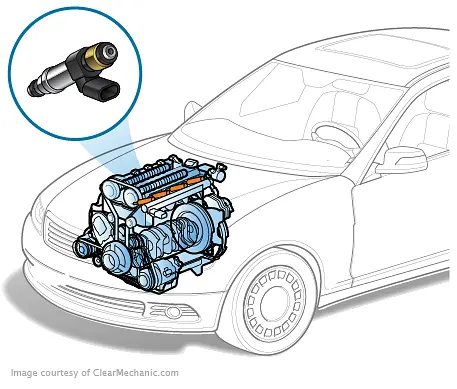
The Honda CR-V is sold in three very different fuel-system configurations depending on year. The 2007–2014 CR-V uses the legacy 2.4L K24 port-injection setup. The 2015–2016 CR-V continued port injection on a refreshed K24. The 2017+ CR-V introduced the 1.5T (L15B / L15BE) direct-injection turbo, which is mechanically more complex and was the subject of Honda's well-known fuel-dilution issue. The 2020+ CR-V Hybrid runs an entirely different fuel-management approach again.
This guide is the practical replacement walkthrough for each, plus the differences in cost, symptoms, and DIY feasibility.
Identify your CR-V engine first
Replacement parts are NOT cross-compatible across the three generations. The fastest way to confirm: the VIN decoder, or pull your VIN through the year/make/model selector on the Honda fuel injector catalog. The 8th character of your VIN identifies the engine.
2007–2016 CR-V (2.4L K24) — port-injection replacement
This is the simpler of the two procedures. Plan for 2–3 hours.
- Relieve fuel pressure. Pull the fuel pump fuse from the under-hood box. Crank the engine until it stalls. Disconnect the battery negative terminal.
- Remove intake components. The plastic engine cover, intake hose, and any harness clips covering the fuel rail. Photograph as you go.
- Disconnect the injector harness. Each injector has a small electrical clip — release the tab, do not pry the wire.
- Unbolt the fuel rail. Two or three 10mm bolts hold it down. Lift the rail straight up — the injectors come with it.
- Swap injectors. Pull each old injector out of the rail (retaining clip + gentle wiggle), install the new injector with fresh O-rings lightly lubed with assembly oil. Match the orientation of the electrical plug.
- Reinstall. Press the rail back down so all four injectors seat into the manifold ports at once. Torque the rail bolts to spec (~10 N·m / 7 ft-lb). Reconnect harness, intake, fuse, battery.
- Prime and test. Cycle the key on for 5 seconds (do not crank) twice to pressurize the rail. Start the engine. Check for any fuel leak at the rail and injector tops.
2017+ CR-V (1.5T L15BE) — direct-injection replacement
This procedure involves high-pressure fuel lines and tighter torque tolerances. We recommend a qualified shop for the 1.5T unless you have prior GDI experience.
Key differences from the K24 procedure: the high-pressure pump must be unbolted, the high-pressure line between pump and rail should be replaced (not reused) on most jobs, the rail bolts are torqued to a specific sequence, and the injector tip seals are single-use parts. Total shop time runs 3–5 hours plus the high-pressure parts and seals.
Important context on the 1.5T: if your CR-V is showing fuel dilution symptoms (rising oil level, fuel smell from the dipstick), don't immediately assume it's the injectors. Honda extended the powertrain warranty for fuel-dilution claims on certain 2017–2020 CR-V 1.5T VINs — check with your dealer first. A PCM reflash sometimes resolves the problem without injector replacement.
2020+ CR-V Hybrid — what's different
The CR-V Hybrid runs a 2.0L i-MMD Atkinson-cycle engine that operates only intermittently while the electric motors handle most low-speed driving. Injector duty cycle is much lower, so injector wear is also lower. When replacement is needed, the procedure follows the conventional port + direct hybrid layout. Parts cost is closer to the 1.5T than the K24.
2026 cost summary
- 2.4L K24 (port): Parts $35–$75 each, set of 4 $140–$300. DIY total ~$200; shop $400–$650.
- 1.5T (direct): Parts $90–$170 each, set of 4 $360–$680. Plus high-pressure line + tip seals $40–$80. Shop labor $400–$700. Total: $800–$1,500.
- Hybrid: Similar to 1.5T pricing, slightly higher labor due to hybrid system precautions.
For a side-by-side breakdown across vehicle types, see fuel injector replacement cost 2026.
OEM vs remanufactured vs aftermarket
Dealer OEM is the most expensive route but predictable. Quality remanufactured injectors — cleaned, rebuilt with new internals, flow-tested — run 30–55% less than dealer pricing while meeting OEM flow and spray specifications. Cheap eBay aftermarket parts are gambling: an uncalibrated injector will not deliver matched flow across the set, and on the 1.5T the consequences (lean cylinder under boost) can be expensive. See our OEM vs aftermarket guide for the full comparison.
Shop fitment for your CR-V: browse Honda fuel injectors and confirm by exact OEM part number before purchase.
Related Honda guides
Frequently Asked Questions
Is the 1.5T CR-V known for injector problems?
The 2017–2020 CR-V 1.5T had publicised issues with fuel dilution into the oil — gasoline accumulating in the crankcase from cold-start enrichment, especially in cold climates and short-trip use. Honda issued an extended warranty and a TSB for a software/PCM reflash. A failing injector can make the fuel-dilution problem worse, and the symptoms overlap — diagnose carefully before condemning an injector.
Can I do the 2.4L K24 CR-V injector swap myself?
Yes. The K24 port-injection setup is mechanically simple. Allow 2–3 hours, basic hand tools, fresh O-rings, and a torque wrench for the fuel rail. The 1.5T direct-injection job is much more involved and we recommend a shop for that engine.
Do I need to replace all four injectors at once on the CR-V?
Not strictly required, but on a high-mileage engine it is the smart move. A matched set keeps fuel delivery balanced across cylinders and avoids a repeat visit when the next-weakest injector fails six months later.
What is fuel dilution and is it always an injector problem?
Fuel dilution is gasoline mixing into engine oil through cylinder wash. Causes include extended cold-start enrichment, very short trips that never warm the engine fully, and any cylinder running rich. A stuck-open injector accelerates it, but the root cause on the 1.5T CR-V is often the software cold-start calibration, not the injector hardware.
How long should CR-V injectors last?
80,000 to 150,000 miles typical. The K24 in older CR-Vs commonly goes well past 200,000 with good fuel. The 1.5T direct injectors wear faster — plan to inspect by 100k.